
The Expat Paradox: Navigating Relationship Strain When You Move Abroad
Moving abroad can be the ultimate test for a relationship. Explore the "Expat Paradox"—why relationships face strain after relocation—and learn how to rebuild.
01
March


Arjun Randhawa
Clinical Psychologist
Moving abroad often puts unexpected pressure on a relationship—not despite the excitement of the move, but partly because of it. The paradox is this: the very decision that was meant to bring a couple closer often strips away the wider support system that once quietly absorbed daily stress, leaving the relationship to carry a weight it was never designed to hold alone.
The Hidden Emotional Cost of Relocation
Relocation is usually framed around the practical: visas, apartments, new jobs. What gets far less attention is the psychological cost, which tends to arrive later and more quietly than the logistics.
The "Acculturation" Hangover
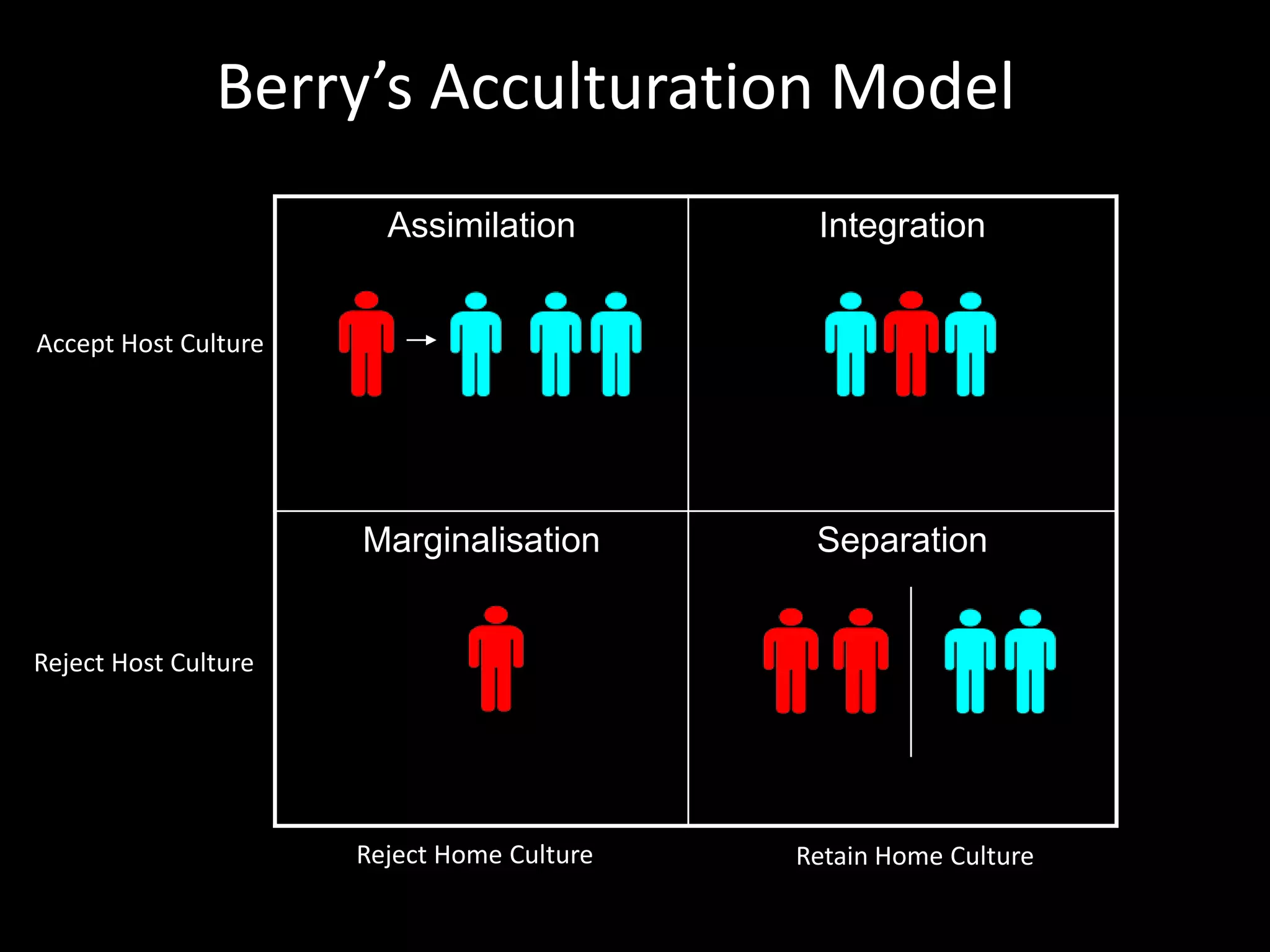
Cross-cultural psychologist John Berry's research on acculturation describes the process of adapting to a new cultural environment. It identifies a crucial reality: the stress of that adjustment is not simply a logistical inconvenience; it is a genuine psychological adaptation process.
In practice, this often means the initial novelty of a move gives way weeks or months later to something closer to a hangover: a diffuse fatigue, irritability, or low mood that doesn't have an obvious single cause. This isn't a personal failing. It’s a predictable psychological cost of identity adjustment, and it frequently shows up first inside the relationship, simply because the relationship is the only stable structure still standing.
When Your Relationship Becomes Your Only Support System

Before the move, a couple's emotional needs were likely met by a wider network: friends who'd known you for years, family nearby, or colleagues who understood your context. Abroad, that network doesn't yet exist.
The Trap of Enmeshment
Without the wider network to distribute emotional need, couples often unconsciously collapse that entire need onto one person: their partner. Suddenly, one person is being asked to be a best friend, a built-in community, and a romantic partner, all at once. That is an extraordinary amount of pressure that isn't sustainable, no matter how strong the relationship was before the move. The friction that follows—irritation over small things or persistent loneliness—is often structural, not a fundamental incompatibility.
Strategies for Rebuilding Connection in a New Culture

Recognizing the structural cause of the strain is the first real relief for most couples. The second is beginning, deliberately, to rebuild.
Conscious Communication When You're Both "Off-Balance"
The difficulty here is that both partners are adjusting simultaneously, meaning the person you’d normally lean on is also destabilized. A few starting points that help:
Name the acculturation stress directly: Labeling it as a shared external factor lands differently than silent frustration.
Actively rebuild individual networks: This isn't a betrayal of the relationship; it is what allows the relationship to stop absorbing pressure it wasn't meant to carry alone.
Distinguish between conflict and stress: Not every argument about dishes is actually about dishes.
Why You Don't Have to Manage This Alone
Many expat couples delay seeking support because it doesn't feel like a "real" problem. Acculturative strain is subtle, which makes it easy to underestimate.
A therapist who understands both the psychodynamics of relationships and the specific structural pressure of cultural displacement can help a couple see the pattern clearly, rather than continuing to attribute the friction to each other's character. Working with an English-speaking therapist remotely removes the additional friction of navigating an unfamiliar healthcare system at precisely the point when you have the least capacity to absorb it.
If this pattern feels familiar, an initial consultation with me can help clarify what is driving the friction in your relationship. You can also view my professional profile and verified background on It's Complicated.
About the Author
Arjun Randhawa is a Clinical Psychologist and Psychodynamic Therapist working with individuals and couples navigating relationship strain, cultural displacement, and the psychological effects of life abroad. He offers sessions in English to expat clients across Europe and beyond.
How This Was Written
This article was reviewed for clinical accuracy against research on acculturation stress theory. It is intended for general educational purposes and is not a substitute for individualized clinical assessment.